Sustainable luxury design has emerged as a powerful movement at the intersection of opulence and environmental consciousness, reshaping how we perceive both luxury and sustainability. As consumers increasingly seek products and spaces that reflect their values, the demand for sustainably crafted goods is on the rise, forcing designers and brands to innovate.
This approach not only prioritizes the use of eco-friendly materials and ethical practices but also celebrates aesthetics that enrich the user experience without compromising the planet. From luxury homes to commercial spaces, sustainable luxury design is redefining quality and responsibility in the modern marketplace.
Understanding Sustainable Luxury Design
Sustainable luxury design combines elegance with environmentally responsible practices, creating an innovative approach that meets the demands of conscious consumers. As the market shifts towards prioritizing sustainability, understanding this concept becomes crucial for brands and designers alike.Sustainable luxury design emphasizes creating high-quality products that minimize environmental impact throughout their lifecycle. This approach is becoming increasingly important in today’s market, as consumers are more informed and concerned about the ecological footprint of their purchases.
The principles that define sustainable luxury include ethical sourcing of materials, craftsmanship, and a focus on longevity and recyclability. Brands such as Stella McCartney and Gucci have successfully integrated sustainable practices into their design, showcasing how luxury and environmental responsibility can coexist harmoniously.
The Intersection of Luxury Design and Real Estate
Sustainable luxury design significantly influences the real estate market, as more buyers seek eco-friendly homes that reflect their values. This shift impacts property valuations, often elevating the desirability and price of sustainably designed luxury homes.Luxury home design not only enhances the aesthetic appeal but also contributes to energy efficiency and sustainability. Properties that incorporate renewable energy sources, sustainable materials, and innovative technologies tend to attract more buyer interest.
Real estate agents play a pivotal role in promoting these sustainable luxury properties, educating potential buyers on the benefits and unique features that set these homes apart from traditional designs.
Sustainable Luxury in Residential Property
Design elements that characterize sustainable luxury homes often include natural materials, energy-efficient systems, and innovative architectural designs. Features such as green roofs, solar panels, and rainwater harvesting systems are becoming staples in luxury residential properties.Trends in luxury house design are increasingly prioritizing eco-friendly materials and construction methods, as homebuyers show a willingness to invest in sustainable features. For instance, luxury mansions might include reclaimed wood, low-VOC paints, and advanced insulation techniques that not only reduce energy consumption but also enhance comfort and aesthetics.
Commercial Properties and Sustainable Practices
The integration of sustainable design in commercial real estate properties is gaining traction, with luxury brands leading the charge. These companies are setting new standards for sustainable practices in their office spaces and retail locations, ensuring that their environmental impact is minimized.Luxury brands influence the design of commercial spaces by incorporating sustainable materials, energy-efficient systems, and wellness-focused designs that promote employee well-being.
The benefits of sustainable construction in commercial property management include reduced operational costs, enhanced brand reputation, and increased tenant demand.
Green Real Estate and Investment Opportunities
The rise of green real estate presents significant implications for investors, as sustainable luxury properties become increasingly attractive. Investors are now more aware of the long-term benefits of incorporating sustainability into their portfolios.Key factors for real estate investors to consider when investing in sustainable luxury properties include location, sustainability certifications, and the quality of materials used. Comparing traditional real estate investing with green real estate strategies reveals that sustainability can lead to higher returns and lower risks due to rising demand for eco-friendly properties.
Home Staging and Sustainable Design
Applying sustainable luxury design principles in home staging can create an inviting atmosphere that resonates with environmentally conscious buyers. Staging luxury homes with eco-friendly materials and furnishings not only enhances appeal but also showcases a commitment to sustainability.The benefits of staging luxury homes with sustainable features include attracting buyers who value environmental responsibility and potentially achieving quicker sales. Effective methods for showcasing sustainable features involve highlighting energy-efficient appliances, sustainable landscaping, and the use of non-toxic materials.
Marketing Sustainable Luxury Real Estate
Effective marketing strategies for luxury homes with sustainable design focus on emphasizing the unique benefits of eco-friendly features. Highlighting materials, energy efficiency, and design innovation can attract discerning buyers.Digital marketing plays a crucial role in promoting sustainable luxury properties, allowing for targeted campaigns that reach potential buyers interested in eco-friendly living. Successful case studies of real estate marketing campaigns centered on sustainability showcase how effective storytelling and visuals can communicate the value of these unique properties.
The Future of Sustainable Luxury Design
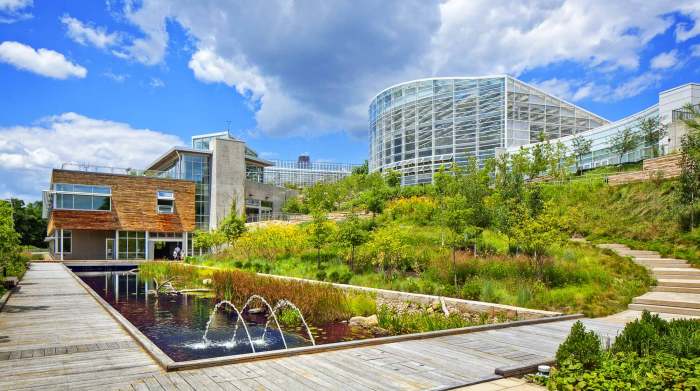
Predictions for future trends in sustainable luxury design within real estate indicate a growing emphasis on smart home technology, energy efficiency, and sustainable materials. As regulations evolve to support sustainable building practices, the industry will likely see an influx of innovative solutions.Emerging technologies, such as advanced energy systems and sustainable construction methods, could fundamentally impact sustainable luxury home construction. The future of sustainable luxury design will be defined by a commitment to minimizing environmental impact while meeting the sophisticated demands of luxury consumers.
Conclusive Thoughts
As we look ahead, the trend of sustainable luxury design is poised to transform not only individual consumer choices but also broader industry standards. By embracing eco-conscious practices and innovative technologies, the future of design promises a harmonious blend of luxury and sustainability, paving the way for a more responsible and beautiful world.
Questions Often Asked
What is sustainable luxury design?
Sustainable luxury design refers to the practice of creating high-end products and environments that prioritize eco-friendly materials and ethical production methods.
How does sustainable luxury design impact the real estate market?
It elevates property values and attracts buyers who value sustainability, influencing market trends and buyer preferences.
Can luxury brands truly be sustainable?
Yes, many luxury brands are adopting sustainable practices, focusing on eco-friendly materials and ethical sourcing to meet consumer demand.
What are some trends in sustainable luxury home design?
Trends include the use of renewable materials, energy-efficient systems, and designs that harmonize with the natural environment.
How is technology influencing sustainable luxury design?
Emerging technologies, such as smart home systems and sustainable building materials, are driving innovation in sustainable luxury design.