Sustainable Luxury Design Elevating Modern Living

Sustainable luxury design has emerged as a powerful movement at the intersection of opulence and environmental consciousness, reshaping how we perceive both luxury and sustainability. As consumers increasingly seek products and spaces that reflect their values, the demand for sustainably crafted goods is on the rise, forcing designers and brands to innovate.

This approach not only prioritizes the use of eco-friendly materials and ethical practices but also celebrates aesthetics that enrich the user experience without compromising the planet. From luxury homes to commercial spaces, sustainable luxury design is redefining quality and responsibility in the modern marketplace.

Understanding Sustainable Luxury Design

Sustainable luxury design combines elegance with environmentally responsible practices, creating an innovative approach that meets the demands of conscious consumers. As the market shifts towards prioritizing sustainability, understanding this concept becomes crucial for brands and designers alike.Sustainable luxury design emphasizes creating high-quality products that minimize environmental impact throughout their lifecycle. This approach is becoming increasingly important in today’s market, as consumers are more informed and concerned about the ecological footprint of their purchases.

The principles that define sustainable luxury include ethical sourcing of materials, craftsmanship, and a focus on longevity and recyclability. Brands such as Stella McCartney and Gucci have successfully integrated sustainable practices into their design, showcasing how luxury and environmental responsibility can coexist harmoniously.

The Intersection of Luxury Design and Real Estate

Sustainable luxury design significantly influences the real estate market, as more buyers seek eco-friendly homes that reflect their values. This shift impacts property valuations, often elevating the desirability and price of sustainably designed luxury homes.Luxury home design not only enhances the aesthetic appeal but also contributes to energy efficiency and sustainability. Properties that incorporate renewable energy sources, sustainable materials, and innovative technologies tend to attract more buyer interest.

Real estate agents play a pivotal role in promoting these sustainable luxury properties, educating potential buyers on the benefits and unique features that set these homes apart from traditional designs.

Sustainable Luxury in Residential Property

Design elements that characterize sustainable luxury homes often include natural materials, energy-efficient systems, and innovative architectural designs. Features such as green roofs, solar panels, and rainwater harvesting systems are becoming staples in luxury residential properties.Trends in luxury house design are increasingly prioritizing eco-friendly materials and construction methods, as homebuyers show a willingness to invest in sustainable features. For instance, luxury mansions might include reclaimed wood, low-VOC paints, and advanced insulation techniques that not only reduce energy consumption but also enhance comfort and aesthetics.

Commercial Properties and Sustainable Practices

The integration of sustainable design in commercial real estate properties is gaining traction, with luxury brands leading the charge. These companies are setting new standards for sustainable practices in their office spaces and retail locations, ensuring that their environmental impact is minimized.Luxury brands influence the design of commercial spaces by incorporating sustainable materials, energy-efficient systems, and wellness-focused designs that promote employee well-being.

The benefits of sustainable construction in commercial property management include reduced operational costs, enhanced brand reputation, and increased tenant demand.

Green Real Estate and Investment Opportunities

The rise of green real estate presents significant implications for investors, as sustainable luxury properties become increasingly attractive. Investors are now more aware of the long-term benefits of incorporating sustainability into their portfolios.Key factors for real estate investors to consider when investing in sustainable luxury properties include location, sustainability certifications, and the quality of materials used. Comparing traditional real estate investing with green real estate strategies reveals that sustainability can lead to higher returns and lower risks due to rising demand for eco-friendly properties.

Home Staging and Sustainable Design

Applying sustainable luxury design principles in home staging can create an inviting atmosphere that resonates with environmentally conscious buyers. Staging luxury homes with eco-friendly materials and furnishings not only enhances appeal but also showcases a commitment to sustainability.The benefits of staging luxury homes with sustainable features include attracting buyers who value environmental responsibility and potentially achieving quicker sales. Effective methods for showcasing sustainable features involve highlighting energy-efficient appliances, sustainable landscaping, and the use of non-toxic materials.

Marketing Sustainable Luxury Real Estate

Effective marketing strategies for luxury homes with sustainable design focus on emphasizing the unique benefits of eco-friendly features. Highlighting materials, energy efficiency, and design innovation can attract discerning buyers.Digital marketing plays a crucial role in promoting sustainable luxury properties, allowing for targeted campaigns that reach potential buyers interested in eco-friendly living. Successful case studies of real estate marketing campaigns centered on sustainability showcase how effective storytelling and visuals can communicate the value of these unique properties.

The Future of Sustainable Luxury Design
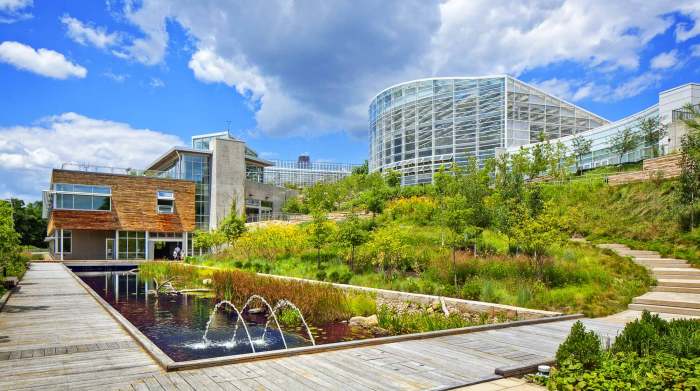
Frontiers | Transitioning to sustainable energy: opportunities ...

Predictions for future trends in sustainable luxury design within real estate indicate a growing emphasis on smart home technology, energy efficiency, and sustainable materials. As regulations evolve to support sustainable building practices, the industry will likely see an influx of innovative solutions.Emerging technologies, such as advanced energy systems and sustainable construction methods, could fundamentally impact sustainable luxury home construction. The future of sustainable luxury design will be defined by a commitment to minimizing environmental impact while meeting the sophisticated demands of luxury consumers.

Conclusive Thoughts

As we look ahead, the trend of sustainable luxury design is poised to transform not only individual consumer choices but also broader industry standards. By embracing eco-conscious practices and innovative technologies, the future of design promises a harmonious blend of luxury and sustainability, paving the way for a more responsible and beautiful world.

Questions Often Asked

What is sustainable luxury design?

Sustainable luxury design refers to the practice of creating high-end products and environments that prioritize eco-friendly materials and ethical production methods.

How does sustainable luxury design impact the real estate market?

It elevates property values and attracts buyers who value sustainability, influencing market trends and buyer preferences.

Can luxury brands truly be sustainable?

Yes, many luxury brands are adopting sustainable practices, focusing on eco-friendly materials and ethical sourcing to meet consumer demand.

What are some trends in sustainable luxury home design?

Trends include the use of renewable materials, energy-efficient systems, and designs that harmonize with the natural environment.

How is technology influencing sustainable luxury design?

Emerging technologies, such as smart home systems and sustainable building materials, are driving innovation in sustainable luxury design.
Posted in Uncategorized | Comments Off on Sustainable Luxury Design Elevating Modern Living

Modern mansion architecture exploring styles and trends

Modern mansion architecture represents the pinnacle of contemporary design, merging luxury with innovative aesthetics to create breathtaking spaces. As we delve into this fascinating realm, we uncover the various architectural styles that define modern mansions—each with its unique flair, from minimalist elegance to futuristic forms. This exploration not only highlights the beauty of these structures but also reveals the underlying principles that make them so desirable in today’s market.

With an emphasis on open floor plans, abundant natural light, and seamless indoor-outdoor living, modern mansions are designed to cater to the lifestyle of their owners while prioritizing sustainability. These architectural wonders reflect current trends in luxury living, where technology and eco-friendly practices harmonize to create homes that are both luxurious and responsible.

Modern Mansion Architectural Styles

Modern mansion architecture is characterized by a diverse array of styles that reflect contemporary living and aesthetic preferences. Among the most prominent styles are contemporary, minimalist, and futuristic designs, each offering unique features and philosophies that contribute to the evolution of luxury homes. Contemporary architecture embraces current trends and often integrates elements from various styles, making it adaptable and dynamic.

Minimalist architecture focuses on simplicity and functionality, emphasizing open spaces and the essence of materials. Futuristic designs, on the other hand, push the boundaries of innovation, incorporating advanced technologies and unconventional shapes.

Influence of Architectural Movements

Different architectural movements, such as Bauhaus and Modernism, have significantly influenced modern mansion designs by promoting ideas around form and function. For instance:

  • Bauhaus: Emphasized the unity of art and technology, leading to the integration of practical design with aesthetic appeal.
  • Modernism: Encouraged the use of new materials like glass and steel, creating structures that are light and airy.
  • Postmodernism: Reacted against the rigidity of modernism, allowing for eclectic styles and playful forms in mansion architecture.

Notable examples of modern mansions include the Villa Savoye in France, which exemplifies the principles of modernist architecture with its open spaces and functional design, and the Glass House by Philip Johnson, which embodies minimalist design through its transparent walls and seamless integration with nature.

Key Features of Modern Mansions

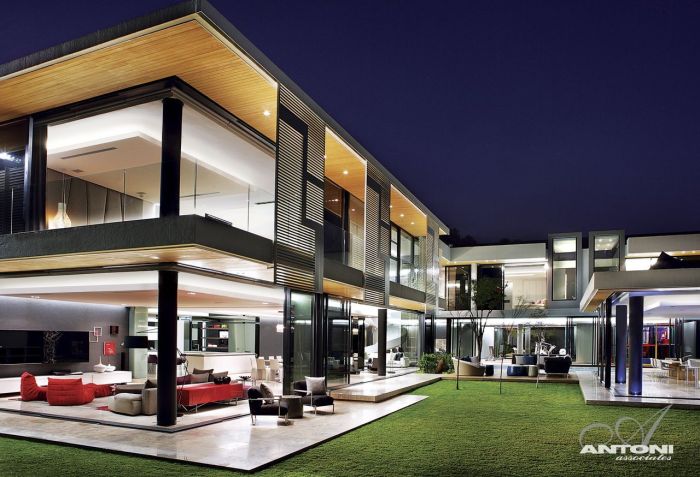
Modern Mansion With Perfect Interiors by SAOTA - Architecture Beast

Modern mansions are defined by several key features that enhance their luxury and livability. These essential elements not only Artikel the aesthetic of the homes but also contribute to the overall experience of living in a modern mansion.

Essential Features of Modern Mansions

The hallmark of modern mansions includes:

  • Open Floor Plans: Promoting fluid movement between spaces, these layouts foster a sense of connectivity and expansiveness.
  • Large Windows: Maximizing natural light and offering stunning views, large windows are essential in blurring the lines between indoor and outdoor living.
  • Outdoor Spaces: Thoughtfully designed patios, gardens, and swimming pools enhance the overall appeal and usability of the property.

Sustainable materials play a crucial role in modern mansion construction, with options such as reclaimed wood and energy-efficient glass being popular choices. These materials not only reduce environmental impact but also add unique character to the homes.

Luxury Mansion Market Trends

The luxury mansion market is continuously evolving, driven by changing consumer preferences and innovative architectural practices. Current trends reflect a shift towards personalized homes that cater to individual lifestyles and sustainability.

Current Trends in Luxury Mansion Market

Recent trends influencing luxury mansion designs include:

  • Smart Home Features: The integration of technology, such as automated lighting and security systems, has become increasingly popular, enhancing convenience and safety.
  • Demand for Sustainability: Eco-friendly designs and sustainable practices are now essential considerations for buyers, with many seeking certifications like LEED.
  • Geographical Preferences: Demand for luxury mansions varies geographically, with urban areas like Los Angeles and New York witnessing high competition and pricing.

The appeal of luxury mansions is partly due to their ability to offer a unique living experience that merges comfort with cutting-edge technology.

Role of Real Estate Agents in Luxury Homes

Real estate agents specializing in luxury homes play a pivotal role in the buying and selling process of high-end properties. Their expertise not only facilitates transactions but also enhances the marketing and presentation of luxury mansions.

Responsibilities of Real Estate Agents

Luxury real estate agents have several key responsibilities, including:

  • Market Analysis: They provide insights into market trends and pricing strategies tailored to high-end homes.
  • Marketing Strategies: Developing comprehensive marketing plans that utilize high-quality photography, virtual tours, and targeted advertising to attract potential buyers.
  • Client Relations: Building and maintaining relationships with clients to understand their preferences and provide personalized service.

Identifying potential buyers requires a nuanced approach, often leveraging networks and connections to market luxury properties effectively.

Investment Opportunities in Luxury Real Estate

Investing in luxury mansions presents unique opportunities and potential returns. The luxury real estate market can be a lucrative avenue for those looking to diversify their investment portfolios.

Benefits of Investing in Luxury Mansions

Investing in luxury properties offers several benefits:

  • Potential Return: Luxury mansions often appreciate at a higher rate compared to standard homes, making them attractive investments.
  • Rental Income: Many luxury homeowners choose to rent their properties, generating additional income streams.
  • Exclusive Market: The high-end market provides a sense of exclusivity and prestige, attracting affluent buyers.

Acquiring luxury properties involves understanding the market and navigating complex processes, necessitating the expertise of seasoned real estate professionals.

Commercial vs. Residential Luxury Properties

The architectural designs and market dynamics of luxury mansions often contrast sharply with those of luxury commercial properties. Each category has its unique characteristics and challenges.

Comparison of Luxury Properties

Key differences between residential luxury properties and commercial real estate include:

  • Architectural Designs: Luxury mansions typically feature bespoke designs tailored to personal tastes, while commercial properties prioritize functionality and space optimization.
  • Market Dynamics: The demand for residential properties is often driven by personal lifestyle choices, whereas commercial properties are influenced by business needs and economic factors.
  • Zoning Laws: Regulations can significantly impact the development of luxury residential versus commercial buildings, often favoring residential developments in prime locations.

Understanding these distinctions is crucial for investors and developers navigating the luxury real estate landscape.

Home Design and Staging for Luxury Mansions

Proper staging and interior design play a vital role in enhancing the appeal of luxury mansions. A well-executed design can attract potential buyers and maximize property value.

Best Practices for Staging Luxury Homes

Staging luxury homes effectively involves:

  • Modern Aesthetics: Utilizing contemporary design trends to create inviting and sophisticated spaces.
  • Interior Design Role: Hiring skilled interior designers can help create cohesive and stylish environments that resonate with potential buyers.
  • Selection of Finishes: Choosing high-quality finishes and furnishings that align with modern architectural themes elevates the home’s overall presentation.

A professionally staged home can significantly influence a buyer’s perception and willingness to invest.

Sustainable Practices in Mansion Construction

The principles of green real estate are becoming increasingly relevant in the construction of modern mansions. Sustainable practices not only benefit the environment but also appeal to eco-conscious buyers.

Innovative Technologies and Sustainability

Key sustainable practices in luxury mansion construction include:

  • Energy-Efficient Technologies: Incorporating solar panels, green roofs, and energy-efficient appliances reduces overall energy consumption.
  • Recycled Materials: Using reclaimed materials for construction and finishes minimizes waste and environmental impact.
  • Eco-Friendly Designs: Many luxury mansions now feature designs that promote natural ventilation and lighting, enhancing comfort while reducing energy use.

Examples of luxury mansions that successfully integrate eco-friendly designs can be found in various high-end communities, showcasing the potential for luxury and sustainability to coexist.

Challenges in Modern Mansion Development

The development of modern mansions presents several challenges that require careful consideration and strategic planning. Navigating these obstacles is essential for successful project completion.

Common Challenges in Mansion Construction

Challenges faced in the construction of modern mansions include:

  • Regulatory Compliance: Adhering to local building codes and zoning regulations can complicate the development process.
  • Environmental Considerations: Developers must address environmental impact assessments and sustainability requirements.
  • Cost Management: Fluctuations in material costs and labor can affect budgets and timelines, necessitating effective project management strategies.

Addressing these challenges head-on is crucial for developers aiming to deliver high-quality luxury properties.

Future of Mansion Architecture

The future of mansion architecture is poised for transformation, driven by technological advancements and cultural shifts. Emerging trends will redefine how luxury homes are designed and experienced.

Predicted Trends in Mansion Architecture

Future trends in modern mansion architecture include:

  • Smart Home Integration: As technology evolves, homes will increasingly incorporate advanced automation and AI to enhance the living experience.
  • Cultural Shifts: Changes in societal values, such as a growing emphasis on community and sustainability, will influence design choices and preferences.
  • Adaptive Reuse: A trend towards repurposing existing structures for luxury living will likely gain traction, promoting environmental responsibility and innovation.

These developments will not only shape the physical landscape of luxury mansions but also redefine their role within communities and the environment.

Last Recap

In summary, modern mansion architecture is a dynamic field that continuously adapts to changing tastes and environmental considerations. As we look ahead, the future promises even more innovation, driven by technological advancements and shifting cultural values. By embracing these trends, homeowners and architects alike can craft spaces that not only embody luxury but also foster a deeper connection with the world around them.

Question Bank

What are the main styles of modern mansion architecture?

The main styles include contemporary, minimalist, and futuristic designs, each featuring unique characteristics that appeal to different tastes.

How do sustainable materials impact modern mansion construction?

Sustainable materials contribute to eco-friendly building practices, reducing the environmental footprint and enhancing the longevity of modern mansions.

What role does technology play in modern mansions?

Technology enhances the appeal of modern mansions through smart home features, improving convenience, security, and energy efficiency.

How do real estate agents market luxury homes?

Agents use tailored marketing strategies, including high-quality photography and targeted advertising, to attract potential buyers for luxury properties.

What are the investment benefits of luxury mansions?

Investing in luxury mansions can offer significant returns due to rising demand and their potential for appreciation in value over time.

Posted in Uncategorized | Comments Off on Modern mansion architecture exploring styles and trends